So I need to tell my wife that I would like to change my
answer to that question on that on-line quiz that asked a couple to compare
answers to the question “If you could invite anyone in the world to dinner, who
would it be?”
I initially said, “Ringo.”
But really, as much fun as I imagine it might be to hang out with Ringo,
after some careful consideration I think I’d rather have dinner with Johannes
(Jannie) Loubser.
If you don’t recognize his name, I’d tell you that Loubser “has
been doing archaeological and rock art fieldwork since the late 1970s, when he
helped excavate various stone-walled villages of Bantu-speaking
agro-pastoralists and recording rock paintings of San gatherer-hunters in South
Africa. After he received his PhD on the origins and history of the
Venda-speaking agro-pastoralists from the University of the Witwatersrand in
1989, he obtained a post-graduate diploma in rock art conservation and
management from the University of Canberra and the Getty Conservation Institute
in Australia. Loubser started a Department of Rock Art at the South African
National Museum before he emigrated with his wife and two daughters to Georgia
in the United States of America at the end of 1993. As a Principal Investigator
at New South Associates in Atlanta, Loubser has conducted extensive CRM-related
archaeological fieldwork in Florida, Georgia, and the Carolinas. Loubser has
also done rock art-related fieldwork in Alberta in Canada, Arizona, Baja
California in Mexico, the Bolivian Andes, California, Connecticut, various
Hawaiian Islands, Idaho, Jamaica, Montana, Nevada, New Mexico, Oregon, Puerto
Rico, Tanzania, Texas, Utah, Washington State, Wisconsin, and Wyoming. In 2006,
Loubser started his own consultancy firm, known as Stratum Unlimited, LLC, and
continues to do archaeological and rock art work for a wide variety of clients
in different parts of the United States and elsewhere in the world (a little
bio taken from
http://thesga.org/2012/12/january-2013-gaas-meeting-set/).
And I’ll be honest about just why I’d like to sit and talk
with him over dinner; I'd be seeking validation. I'm thinking he might just convince my wife that I may be on the right
track about all this Indian Stonework I’ve been looking at, photographing and
writing about for the last twenty five years, that I’m not some sort of
delusional crazy man in need of psych-meds but rather a good field observer,
seeing something that most people tend not to see.
Where would I start? I wonder.
Probably I’d begin with the accidental find of that woodcut
illustration in William Cothren’s “History of Ancient Woodbury back in the
spring of 1990, the image of the Sachem Nonnewaug’s Grave, a stone mound
beneath an apple tree. I’d tell him that the grave is long gone, probably
robbed by that farmer once he found out what it and all the smaller mounds around
it were back in 1840 or so, proving bad things happen to people who mess with Indian
graves because that farmer is now dead.
I’d tell him about locating the possible then still
recognizable orchard I believe to the location of the heart of that village
Cothren called the Nonnewaug Wigwams and how I followed the serpentine row of
stones that turned into zigzags that turned out to be atypically carefully
made, bordering the riparian zone of a stream on both sides of the little
stream, up into a swampy area where I encountered a stone representation of a bear’s
head balanced on a flat topped boulder, a smaller stone beside it that I
believe is the base of a fire starter, the first effigy in stone I was ever
aware I was observing and attributing to Indigenous People.
I’d tell him about the next effigy find of mine, a stone box
turtle across from my upper driveway, how it had hand sized sunbursts pecked
into it, still recognizable despite all those years of weathering it had
endured, how it reminded me of the Great Turtle of the Creation Story I heard a
Schaghticoke Elder tell at a Pow Wow.


I’d have to tell of suddenly realizing that the diagonal row
of stones I’d been using to cross the river on resembled low domed turtles of
the same width and length that were too far from the first mill in the area to
be related to that, but were probably what remained of the stone fish weir that
gave its name to the village, the road I live on, the local high school and school
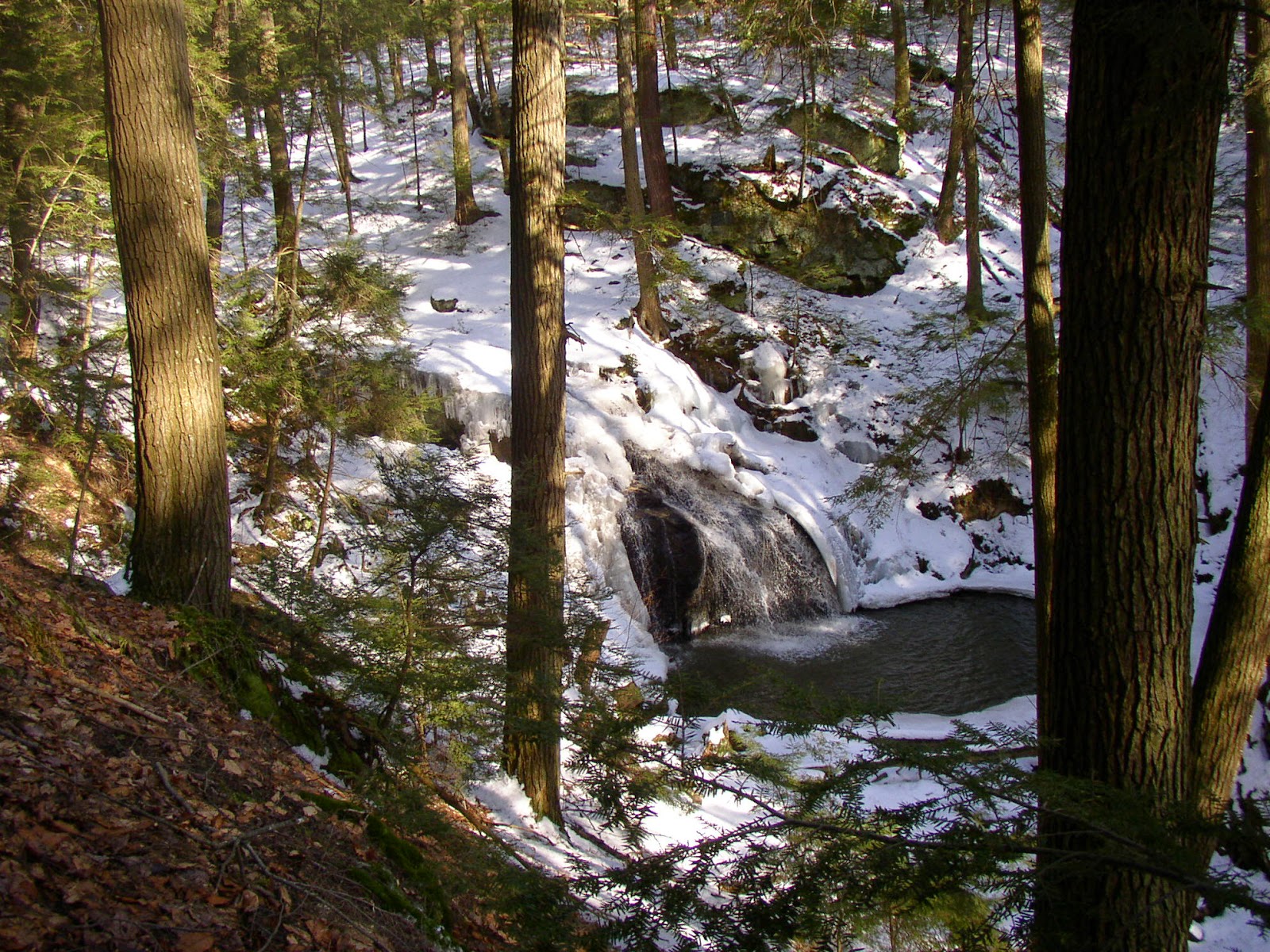
district, the falls – and oh, shoot – I forgot about the falls, about how it probably
was a “place of spiritual power” in Indian eyes, a great attractor to those People
who somehow survived all those epidemics and invasions that had been wreaking
havoc across Turtle Island ever since Columbus invented going to the Bahamas.
Okay, no big deal, I could bring that up, I suppose and then
get back to the Turtles, perhaps show him my greatest turtle hits or better
yet, I’ll call the collection my “Best of Turtles,” all those
turtles that couldn’t be accidental because they recalled a specific species
like that Diamondback Terrapin down by Hammonassett State Beach.
But that’s out of order in the chronology of discovery, so I’d
have to back up to the stone mounds behind my old chicken coop and the second
turtle and all the little turtles that enabled me to recognize other turtles –
and reminded me of one of his drawings of a stone pile that reminded me of the
chicken yard mounds that I wanted to ask him about, specifically "Did you see anything that looked like a turtle in there?"
Jannie's Drawing:
Ooh, ooh - and that cool little turtle in a row of stones I
thought was an estate wall which it might or might not be, that might be
related to stone work that leads to a cranberry bog, but not before the stream
runs along that massive retaining wall at the tail end of a serpent row, which
reminds me of a serpent row near it – and all those other serpent rows that are
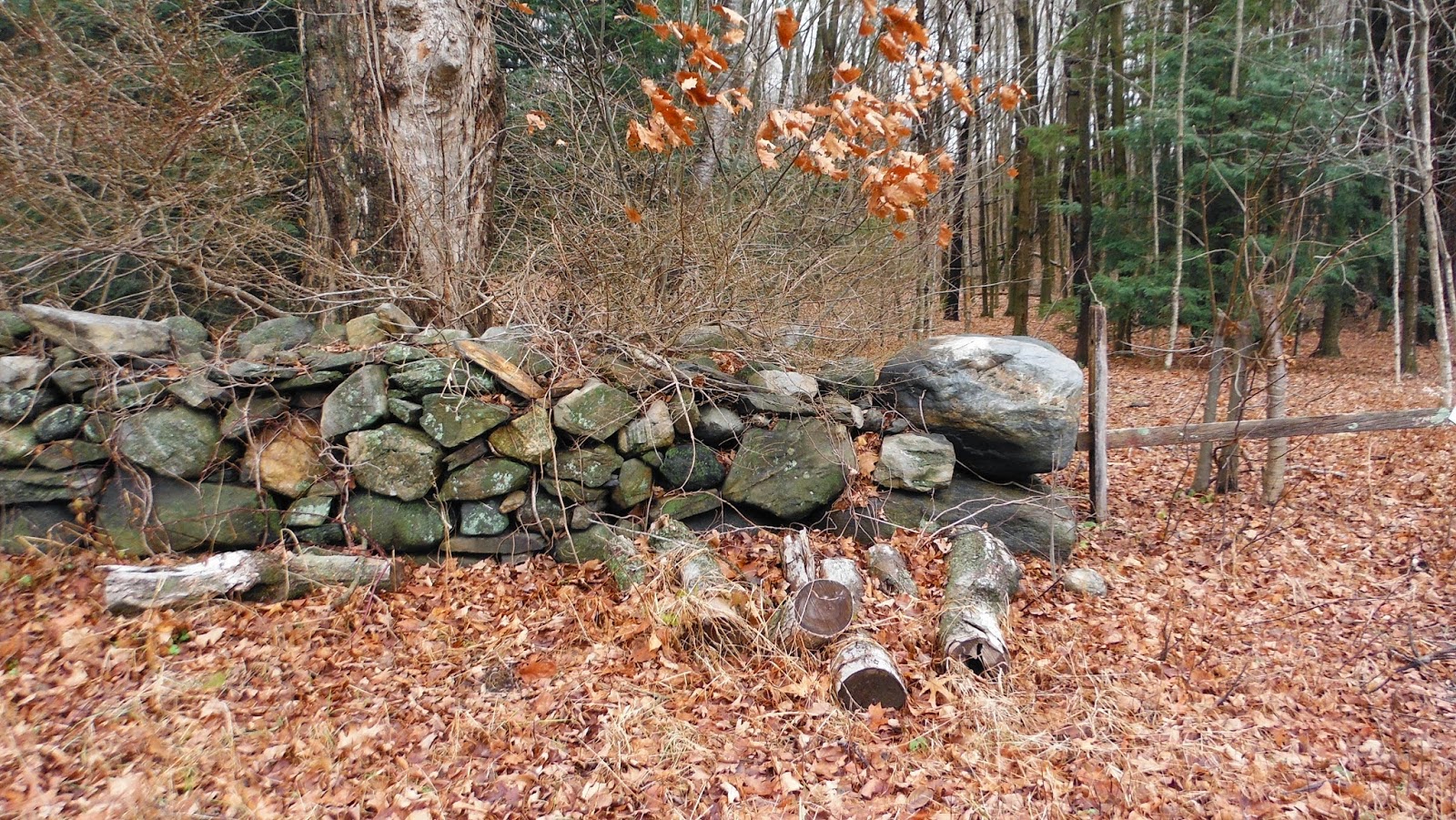
everywhere and called run of the mill farmer’s stone walls and – well, wait a
minute; this just isn’t that easy to put together as a little bit of dinner
conversation after all. I’ve just dominated an imaginary conversation with a
world renowned rock art specialist, going off the map with all these tangents
that make me look like a delusional crazy man in need of psych-meds without letting Jannie get an imaginary word in.
What will my wife think of that??


.jpg)




.jpg)


